Cleaning is not merely the removal of soil. It’s a window into what a culture values the most. Some individuals choose to pay tribute to ancestors. Others clean to welcome good fortune. A lot of people clean because it just feels like the right thing to do.
Each part of the globe has its own way of cleaning, its own equipment, its own timing, its own significance. What is normal in one country is quite symbolic in another. This article takes you around the world to see how different cultures clean and what inspires them to do so.
Japan: Cleaning as a Community Ritual
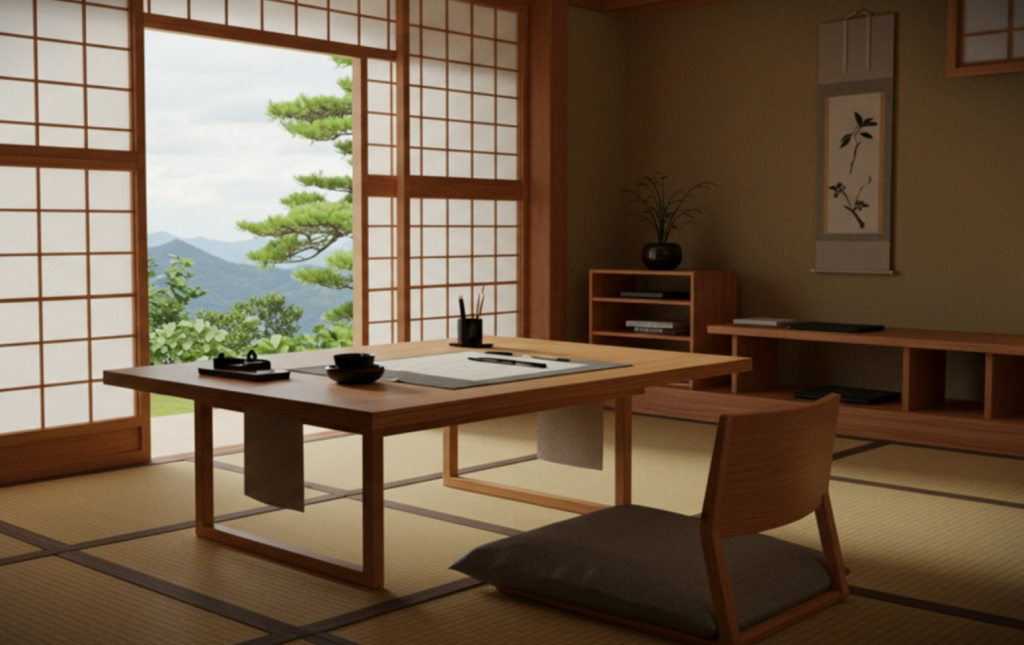
In Japan, cleaning is not a chore but a discipline. School kids in Japan clean their own classrooms, halls, and even bathrooms every day. No janitor. No easy way out. This tradition is called souji and has been part of Japanese school culture for decades. The principle is rooted in Zen Buddhism, which teaches that a clean environment leads to a clear mind. Cleanliness = respect. Respect for the area, people, and yourself.
At the end of each year, Japanese families and businesses do a massive deep clean called osōji, which literally means “big cleaning.” Every cranny is cleansed. Old things are discarded. It’s a physical and spiritual recharge before the New Year kicks off.”
India: Cleaning Rooted in Ritual and Belief
The morning in many Indian homes starts with sweeping the floor before the sun rises. This is not custom, but conviction. In certain regional traditions, sweeping at night is considered unlucky, as it is said to sweep away riches. In many Hindu homes, the main entrance is decorated with rangoli, bright designs created from rice powder or flower petals.
The ground is wiped clear before the design is set. Here, cleanliness is a mark of the willingness to receive the divine. In the run-up to celebrations like Diwali, residences are cleaned weeks in advance thoroughly. Goddess Lakshmi is the goddess of wealth and is said to visit only clean and well-lit dwellings.
The Netherlands: Europe’s Cleanest Reputation
The Dutch are traditionally noted for their clean dwellings. Visitors to the Netherlands in the 17th century wrote in amazement about floors so clean you could eat off them. That culture has continued. In a global household study, the Netherlands is always among the top countries where the inhabitants clean the most.
In the Netherlands, a lot of people clean their windows weekly, which is considered weird in most other countries—the Dutch associate cleanliness with societal pride. In the past, a dirty house was considered a sign of bad character. That notion still exists today.
West Africa: Cleaning as Community
In many West African cultures, cleaning is not a solitary activity. It’s a social act. In villages across Ghana, Nigeria, and Senegal, community members get together to clean shared places, market areas, roads, and communal gardens. This group cleaning is often done in the early morning hours.
It creates social relationships and strengthens a collective responsibility for the environment. A broom is something anyone can pick up. In certain parts of the world, there are special days for cleaning the neighborhood. It’s considered rude to the group to just bail for no reason.
South Korea: Cleaning Before Celebration
South Koreans are serious about cleaning in the run-up to big holidays. Before Chuseok (Korean harvest holiday) and Seollal (Lunar New Year), households thoroughly clean their houses from top to bottom. Floors are scrubbed. Wardrobes are cleared. Kitchens are reconfigured. The mindset is simple — you welcome ancestors and good fortune into a clean home, not a messy one.
The global cleaning products market was valued at approximately $274 billion in 2022, and countries like South Korea contribute significantly to that number due to strong cultural demand for household hygiene products.
Islamic Cultures: Cleanliness as Faith
In Islam, cleanliness is not optional; it is a religious requirement. The Arabic word taharah, meaning ritual purity, covers all kinds of things, from washing your hands before eating to the full-body cleansing (ghusl) before prayer on special occasions.
Muslims must do wudu, a precise washing of hands, face, arms, and feet, before each of the five daily prayers. This integrates cleanliness into daily life rather than just leaving it for the weekend.
In many Muslim countries, shoes are not allowed in the house. The principle is simple: anything you bring in should stay out.
Scandinavia: The Friday Cleaning Tradition
In Sweden and Norway, there is a term known as Fredagsstädning, “Friday cleaning. One of the customs of the Scandinavian families is to have a complete cleaning of the house on a Friday afternoon or evening. It’s a weekly routine that sets the tone for the upcoming weekend. Your mornings and days begin in a tidy, well-kept environment.
It sounds simple. However, it’s not just about consistency that results in cleaner homes, after all. Natural cleaning products are also used by Scandinavians to a high degree. Vinegar, bicarbonate of soda, and lemon are common household remedies rather than products loaded with chemicals.
Indigenous Cultures: Smudging and Spiritual Cleansing
Many Indigenous societies in North America smudge, burn sacred herbs like sage, cedar, or sweetgrass to purify a room energetically. This is not physical cleaning in the usual sense, but is strongly related to the act of eliminating negativity from a home or meeting space.
This practice has been going on for centuries and is very much alive today. It reminds us that for many cultures, cleaning is more than just what is seen. A location can feel “dirty” emotionally or spiritually, and those cultures have had responses for that for a long time.
Ancient Rome to Modern Italy: A Culture of Bathing
Elaborate public bathhouses (thermae) were not only for washing but also for socializing, built by the Romans. Bathing was recognized as a civic duty. You came to the baths to enter into society. A culture of personal cleanliness is continued in Modern Italy. The Italians usually shower at least once a day.
Many shower twice. Body cleanliness is regarded as basic manners; it is not an additional action. Perhaps surprisingly, Euromonitor’s research revealed Italians spend more per capita on personal hygiene products than most of their European counterparts. That’s a telling number.
Conclusion
Cleaning varies from place to place throughout the world. It’s a morning routine for some. It is a community event for others. It is a faith for many. The common denominator of all of these practices is a universal human need: to live in a place where it feels good, safe, and right. When you next grab your mop or light a candle after a long scrub, remember that there are billions of people all around the world doing the same thing – but with a few differences. Worth of which to be appreciated!